Make sure to try this wine
Palmer & Co, Blanc de Blancs, 2018
3,5 NJP of 5,0 NJP
Palmer & Co, Blanc de Blancs, 2018 (43 EUR/51 USD in Sweden) white dry sparkling wine, Montage de Reims and Côte de Sézanne, Champagne, France, 3,5 NJP of 5,0 NJP (85 points of 100 points) (23-12-2025 by Nenad Jelisic)
Here we are talking about a really good champagne that is aroma rich, flavour rich, fresh and concentrated. Palmer & Co Blanc de Blancs 2018 should be drunk at all big celebrations (New Year's Eve, weddings, birthdays, etc.) or to when one wants to reward oneself and your loved one after a demanding work week or to when you just want to enjoy life. The aroma is characterized by toast, citrus fruits, yellow apples, yellow ripe pears, mineral, white flowers and almonds. The taste is characterized by citrus fruits, yellow ripe sweet apples, yellow ripe sweet pears, ripe quinces, toast, butter, nougat and mineral. The aftertaste is creamy, sweet, bitter and really long. Palmer & Co Blanc de Blancs 2018 can be drunk with great pleasure now or aged for five to ten more years, i.e. until the year 2030/2035.
Palmer & Co Blanc de Blancs 2018 fits very well as an aperitif or as a social drink. Of course, this really good champagne also goes perfectly with butter-fried, moderately tandoori spiced, and for a few seconds with a little champagne boiled, scallops or with grilled salmon with white wine sauce and boiled baby potatoes or with Bouillabaisse or with Crawfish Etouffee or with cold smoked salmon with crème bonjour horseradish and dill fried baby potatoes or with toast Skagen or with Carpaccio of thinly sliced raw meat or fish, usually beef tenderloin or salmon, seasoned with olive oil, lemon juice, salt and pepper or with vendace roe toast with creamy smetana, finely chopped red onion and lemon wedge. It should be drunk at 8°C to 10°C, if possible, from real champagne glasses from Kosta Boda, Orrefors, Riedel or Spiegelau.
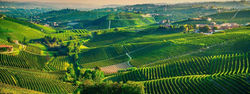
Palmer & Co Blanc de Blancs consists of 100% Chardonnay. The grapes for this champagne come from the Premier Cru villages of Villers-Marmery and Trépail, which are located in the Montage de Reims wine district. A small portion of the grapes come from the Côte de Sézanne wine district. The soils on which the grapes grow consist of lime, chalk, clay and marl. Here it can be mentioned that 75% of the soils in Champagne consists of calcareous soils (chalk, marl and limestone). This type of soils provides good drainage and also explains why some Champagne wines have a distinct mineral taste. Chalk acts as a natural reservoir (holding 300 to 400 litres of water per cubic meter), which provides the vines with enough water even in the driest summers. The effort required of the vines to utilize this water puts the vines under a moderate amount of water stress during the growing season, helps the grapes to achieve the delicate balance between ripeness, acidity and flavour. Palmer & Co Blanc de Blancs is made according to the traditional method, which means that the first fermentation is the same as for regular white wine and that when the first fermentation and the malolactic fermentation (the second fermentation, which is not counted as a third alcoholic fermentation, converts sharper malic acidity to softer lactic acidity) are complete, the wine is bottled, a little sugar and yeast are added, so-called liqueur de tirage, and sealed with a bottle cap. The wine is then aged for at least five years on its lees in cool lime cellars, which are located 18 meters underground, where the yeast slowly eats up the sugar and carbonic acid is formed. When the aging is complete, the bottles are placed with the neck down in wooden racks at a 45-degree angle and then the bottles are gradually tilted to a 90-degree angle. Now it is time to start turning the bottles (remuage). Then the collected yeast sediment in the neck of the bottle is frozen by immersing the neck of the bottle in a bath at minus 25°C. After which it is ejected out when the bottle is opened (dégorgement). Now, the bottle is filled with a little new wine and a small amount of sugar (dosage), 7 grams of sugar per litre, and sealed with cork and a steel wire cage. After which the bottles are aged for a few more months before the Palmer & Co Blanc de Blancs is released on the market.
Palmer & Co-wines are imported to Sweden by Provinum.

NJ Wines
 |  |  |  |  |  |
|---|