Make sure to try this wine
Kracher, Red Roses, Beerenauslese, 2022 and 2023
90 NJP
Kracher, Red Roses, Beerenauslese, 2022 and 2023 (22 EUR/26 USD costs vintage 2022 in Sweden; 375 ml) (27 EUR/31 USD costs vintage 2023 in Sweden; 375 ml) white sweet wine, Burgenland, Austria, 90 NJP (23-08-2026 by Dr Nenad Jelisic)
This is the first time that NJ Wines has written about two different vintages (2022 and 2023) of the same wine in one article. The reason for this is that there is almost no difference between its vintages. However, for some unknown reason, the 2023 vintage has been given a new name that lacks the word “Beerenauslese”, a new article number and the price of the wine has been increased by 50 SEK (20%) in one year.
The aroma and flavour of both wines are absolutely fabulous. The aroma is perfumed, concentrated, complex, flowery and sweetly spicy, and it is filled with red roses, rose water, carnations, honey, currants, citrus fruits, walnuts, sweet spices, ripe quince and orange peel. The flavour is very sweet, concentrated, fresh, flowery and complex, and it is filled with currants, ripe sweet strawberries, honey, red roses, citrus fruits, ripe quince, yellow ripe apples, red fresh berries and orange peel. The aftertaste is very long, very sweet and concentrated, and at the end both fresh and slightly bitter. The wine’ sweetness, concentration, perfect tannin structure, perfect tartaric acid and perfect balance (which is very difficult to achieve with sweet wines) between these makes that the wines can be aged longer. While the 2022 vintage can be aged for 10 more years, i.e. until the year 2036, the 2023 vintage can be aged for 15 more years, i.e. until the year 2041. Here I would like to say that I am not at all surprised that Kracher Red Roses Beerenauslese 2022 was drunk with sorbet of Swedish blackthorn berries flavoured with orange, allspice and clove, with a baked cream of fresh cheese with bourbon vanilla and a browned butter sponge, with a buttermilk caramel and a crunchy topping of buckwheat and oats, and them were served with a consommé of wild raspberry flavoured with juniper shoots at the 2025 Nobel Dinner in Stockholm.
Kracher Red Roses Beerenauslese 2022 and 2023 should be enjoyed with fried in butter foie gras or duck liver with fried in butter bread (in both cases with very little butter, but the butter must be of the absolute highest quality) and apple jelly or blackberry jelly (which is the best combination with the wines) or with fruit salad that consists of finely chopped oranges, nectarines, green grapes, mango and kiwi, and a little freshly squeezed apple juice or with chocolate brownie or with cherry cake or with cherry pie or with pancakes with sweet red berries or sweet black berries or with pancakes with walnut filling or with flavourful blue cheeses such as Castello Blue, Gorgonzola, Roquefort and Stilton or without any food at all, just greatly enjoying its enormous complexity, richness of aroma and richness of flavour. It should be drunk at 8°C with, if possible, Orrefors Difference Sweet or Orrefors Elixir or Riedel Sommeliers Sauternes.
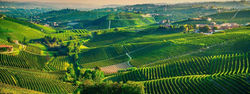
Kracher Red Roses Beerenauslese 2022 and 2023 consist of 100% Rosenmuskateller. The Rosenmuskateller grape is often attacked by botrytis cinerea (noble rot) due to the thin-skinned berries. The grapes for the wines come from the vineyards that are located in the Neusiedlersee wine district (which is located east of Lake Neusiedl), which in turn is located in the Burgenland wine region. Parts of the Neusiedlersee wine district, which (like Kracher's vineyards) are located close to Lake Neusiedl, are known for their full bodied, concentrated, complex and botrytis cinerea attacked sweet wines. Botrytis cinerea (noble rot) attacks on the grape skins are crucial in the production of Kracher's sweet wines (Spätlese, Auslese, Beerenauslese and Trockenbeerenauslese). Without fog and high humidity, there would be no noble rot and Kracher's sweet wines, and it is in the autumn, when the climate is warm and dry and the temperature difference between the air and the Lake Neusiedl is greatest, when noble rot develops. The soil consists of silty sandy gravel, clay, weathered limestone and weathered dolomite. The grapes are picked and sorted by hand in both the vineyards and the winery. Then, they are crushed and destemmed. The grape mass, which consists of crushed grapes and grape juice, is macerated and fermented in stainless steel tank. The grape mass is then gently pressed and the wine is transferred to 225 litre oak barrels (barrique), which are about 67% new and about 33% old, where it undergoes malolactic fermentation and is aged for 12 months. Finally, the wine is bottled, without filtration and without fining, and aged for a few more months before it is released on the market.
Kracher's wines are imported to Sweden by Provinum.

NJ Wines
 |  |  |  |  |  |
|---|