The wine of the month
Vinarija Šimunković, Dingač, Reserva, 2017
100 NJP
August 2026: Vinarija Šimunković, Dingač, Reserva, 2017 (about 25 EUR/29 USD; selling price on the internet excluding delivery costs) red dry wine, Pelješac, Central and South Dalmatia, Croatia, 100 NJP (04-08-2026 by Dr Nenad Jelisic)
Vinarija Šimunković Dingač Reserva 2017 is a fabulous, austere, sweet spicy and complex wine. It belongs to one of the over one hundred vintages/wines that I have tasted from the Dingač appellation (which is located in the Pelješac wine region, which in turn is located in the Central and Southern Dalmatia wine region), since 1984. What has been confirmed from my extensive tastings of wines made of Plavac Mali-grape is that only the wines that come from the Postup and Dingač appellations, which are located in the Pelješac wine region (which is a peninsula), as well as the wines that come from the Ivan Dolac and Sveta Nedjelja appellations, which are located in the Hvar wine region (which is an island), can go from good to brilliant. All other wines that come from other areas in the Central and Southern Dalmatia wine region do not at all achieve the quality and the complexity of the aforementioned wines. With its Vinarija Šimunković Dingač Reserva 2017, Vinarija Šimunković has brilliantly managed to respond to the prominent tannins of the autochthonous grape Plavac Mali (which is father of Primitivo-grape in Italy and Zinfandel-grape in the USA) with a brilliant sweet-spicy fruitiness. The interplay between the wine's fruitiness, tartaric acid and tannins could not be better. Better to say it is absolutely perfect. The aroma of the wine clearly reveals cocoa, raisins, dried sweet black cherries, vanilla, cardamom and bay leaves. The flavour of the wine clearly reveals raisins, vanilla, cocoa, dried sweet black cherries, cardamom and white pepper. The wine is already 9 years old, but shows absolutely no signs of it. On the contrary, it feels young and alive, and besides it is in perfect condition right now. Thanks to the above mentioned absolutely perfect interplay between its fruitiness, tartaric acid and tannins, the wine will be drinkable for at least 7 more years, i.e. until at least year 2033. The wine does not need to be decanted. It can be enjoyed as is it. Drink it slowly, and follow as it begins to open and grow in the glass.
The wine will go perfectly with Coeur de filét Provencale with raw fried potatoes and bacon-wrapped green beans (haricots verts) or with grilled beef fillet/entrecôte with café de Paris sauce and potato gratin or with reindeer stew with buttery mashed potatoes or with grilled pork chops with grilled red peppers, red onions and tomatoes, and Béarnaise sauce or with boiled veal in dill sauce with boiled potatoes or with authentic wiener schnitzel (veal) with Austrian potato salad, two lemon wedges, anchovy fillets and drained capers or with elk patties with roasted root vegetables and red wine sauce or with Beef Wellington with Hasselback Potatoes and funnel chanterelle sauce or with Boeuf Bourguignon with buttery mashed potatoes or with homemade lasagna (with fresh lasagne sheets) or with grilled duck breast with port wine and cherry sauce and potato stoemp (roughly mashed potatoes with vegetables and cream) or with butter-fried goose liver or duck liver on butter-fried bread (in both cases with very little butter, but the butter must be of the absolute highest quality) with apple jelly or blackberry jelly or with plommonjärpar (minced meat rolls mixed with shredded prunes) with parsley cream sauce, diced potatoes and crispy split peas and wax beans or with pasta carbonara (with fresh tagliatelle) or with slow-roasted porchetta with grilled vegetables and buttery garlic bread or with veal kidneys in cognac sauce with raw fried potatoes or with or with lamb patties with potato gratin and red wine sauce or with aged cheeses such as Comté, Edamer, Gouda, Gruyère, Parmigiano Reggiano, Pecorino and Västerbottenost (national cheese of Sweden). Vinarija Šimunković Dingač Reserva 2017 should be, without decanting, drunk at 16°C (when the room temperature is above 22°C or outdoor temperature is above 24°C) from real Bordeaux glasses, if possible, from Kosta Boda, Orrefors, Riedel or Spiegelau.
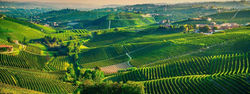
Vinarija Šimunković Dingač Reserva 2017 consists of 100% Plavac Mali. The Plavac Mali is a cross between the Croatian autochthonous red wine grape Crljenak Kaštelanski and the Croatian autochthonous red wine grape Dobrićić. The name “Plavac Mali” refers to the small blue grapes that the vines produce. The grapes for this wine come from vineyards that are located in the best appellation on the Pelješac peninsula, the Dingač appellation. The vineyards in it are located on the southern side of the peninsula at an altitude of 100 to 300 m above sea level, and have an inclination of over 50 degrees. All grapes are grown organically. The vines are between 15 and 50 years old. The soil consists of a thin layer that consists of small limestones, weathered limestone, clay soil and terra rossa (a well-drained, reddish, iron oxide rich, clay to silty soil) underlain by limestone. The wine's grapes are harvested and sorted by hand after the grapes have reached their optimal ripeness, and in some cases when the grapes' berries or the entire bunches of grapes have dried out (which means that they have less water and, therefore, more sugar and a higher concentration). After very careful selections in both the vineyards and the winery, the grapes are crushed and destemmed, and their grape mass, which consists of crushed grapes and grape juice, is cold macerated in stainless steel tanks. Immediately after the maceration, fermentation begins at a controlled temperature of around 26°C. The fermentation time lasts between 25 and 30 days. Only the natural yeast, which comes from the vineyards, is used. After the fermentation, the grape mass is gently pressed and both the free-run wine and the pressed wine are aged separately in stainless steel tanks for at least 12 months. Then, the wines are blended together and after that the wine is transferred to 225 litre new and old French oak barrels (barrique) where it undergoes malolactic fermentation, and aged for a period of at least 12 months. Finally, the wine is bottled, without filtration and without fining, and aged for a further 6 months before it is released on the market.

NJ Wines
 |  |  |  |  |  |
|---|