

R
A B C D E F G H I J K L M N O P Q R S T U V W X Y Z
RHYS-RICH
RAST-REAL REAL-RENA RENA-RHYS RHYS-RICH RICH-RIOJ RIOJ-ROBE ROBE-ROMA ROUS-RULL
Only 95 and 100 NJP-wines (Nenad Jelisic Points) are presented as the best vintages.
If for some wine behind “the best vintages” stands “none”, it means that none of the wine's vintages got 95 NJP or 100 NJP.
Rhys, Horseshoe Hillside, Pinot Noir (red dry wine), Santa Cruz Mountains, Santa Cruz County, Central Coast, California, USA, the best vintages, 2013, 2014, 2016, 2018, 2019, 2021, 2022 and 2023. (2026-01)
Rhys, Porcupine Hill, Pinot Noir (red dry wine), Anderson Valley, Mendocino County, North Coast, California, USA, the best vintages, until and including vintage 2018 none; 2019, 2020, 2021, 2022 and 2023. (2026-01)
Rhys, Skyline, Pinot Noir (red dry wine), Santa Cruz Mountains, Santa Cruz County, Central Coast, California, USA, the best vintages, 2016, 2018, 2019, 2021, 2022 and 2023. (2026-01)
Rhys, Swan Terrace, Pinot Noir (red dry wine), Santa Cruz Mountains, Santa Cruz County, Central Coast, California, USA, the best vintages, 2013, 2014, 2016, 2018, 2019, 2022 and 2023. (2026-01)
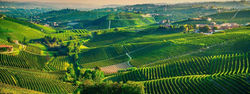
Ribera del Duero, a Spanish wine region that is DO-classified and belongs to the geographical area of Castile and León. Ribera del Duero stretches along the Duero River and its vineyards are located at an altitude of 750 m to 850 m. The best vineyard locations are around the cities of Valladolid and Roa. The region has both continental and Mediterranean climate. Summers are hot (max 40°C) and winters are cold (min -20°C). On average, it rains 400 mm to 600 mm per year (by comparison, it rains 600 mm to 700 mm per year in Sweden) and the number of sunshine hours is 2,400 per year (1,500 to 1,600 in Sweden). The region is characterized by that temperature difference between day and night can be greater than 20 degrees and that a maximum of 138 days per year are frost-free. The 22,040 ha that is planted with wine grapes produce approximately 1,021,000 hl per year. The planting density is a maximum of 4,000 vines per hectare; the permitted yield is 49 hl/ha while the average is 46 hl/ha. Within Ribera del Duero there are the following quality designations that regulate the aging time: Crianza, Reserva and Gran Reserva. Crianza, the wine must be aged for at least 12 months in oak barrels. Reserva, the wine must be aged for at least 36 months, of which at least 12 months in oak barrels and at least 24 months in bottles. Gran Reserva, the wine must be aged for at least 60 months, of which at least 24 months in oak barrels and at least 36 months in bottles. The traditionally produced wines are usually aged in American oak barrels while the modernly produced wines are usually aged in French oak barrels. The region is home to the world-famous Vega Sicilia winery, which has proven that it is possible to make great wines from Tempranillo. (2026-02)
Ribera del Duero grapes, are totally dominated by Tempranillo 85% (also called Tinta del País or Tinto Fino), is followed by Cabernet Sauvignon, Merlot, Malbec, Garnacha and (green wine grape) Albillo. (2026-02)
Ribera del Duero soils, are dominated by silty and clayey sand with layers of limestone and marl (clayey soil that contains a lot of lime) and chalk. (2026-02)
Ribera del Duero the best vintages, 1994, 1995, 1996, 2001, 2004, 2005, 2007, 2008, 2009, 2010, 2012, 2013, 2014, 2015, 2016, 2017, 2018, 2019, 2020, 2021 and 2022. (2026-02)
Ribera del Duero wines compared to Rioja wines, regardless of the fact that the wines come from the same grape (Tempranillo) and are aged in approximately the same way, the wines from Ribera del Duero are characterized by their freshness, tartaric acid and clear fruitiness while the wines from Rioja are characterized by their vanilla-, strawberry- and dill-character. (2026-02)
Richebourg, a French appellation and a Grand Cru-vineyard that is located in the Vosne-Romanée appellation (and the commune of Vosne-Romanée) and belongs to the Côte de Nuits wine district which in turn belongs to the Burgundy wine region. Richebourg is located at an altitude of 255 m to 295 m and has 7,23 ha planted with wine grapes. The permitted yield is 35 hl/ha and the average is 32 hl/ha. The appellation was created on September 11, 1936. The best wines from here, before they are opened, should be aged for about 10 years. In addition, the best wines from here can be aged between 20 and 30 years. Richebourg produces complex, fruity, sweet-spicy, powerful and full-bodied wines. See Vosne-Romanée and Domaine de la Romanée-Conti Richebourg. (2026-02)
Richebourg grapes, 100% Pinot Noir. (2026-02)
Richebourg soils, marl (clayey soil that contains a lot of lime), gravel and clay lying on limestone. (2026-02)


NJ Wines
 |  |  |  |  |  |
|---|